
Private Claude Chats Exposed in Google and Bing Search Results

The screwup shows how tricky it can be to stop web crawlers from making ostensibly private conversations with AI chatbots entirely too public.

MCNM shares the great things about digital media marketing, and technology.




The screwup shows how tricky it can be to stop web crawlers from making ostensibly private conversations with AI chatbots entirely too public.
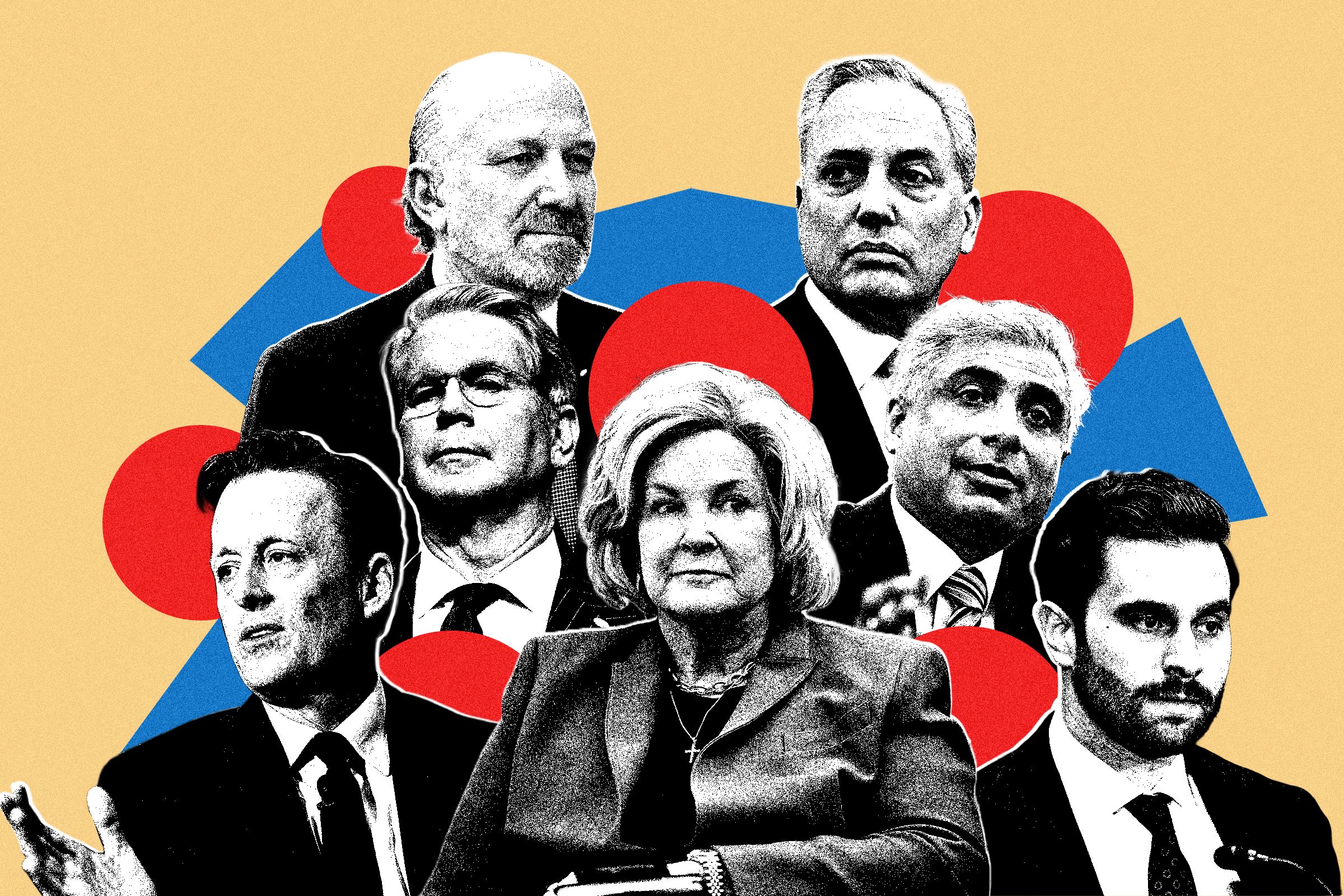
“It’s not an argument with two sides, it’s an argument with 10 sides,” one senior administration official tells WIRED about how US AI policy is being shaped.

Plus: Russian hackers are trying to steal US nuclear scientists’ emails, the State Department bans known scammers from entering the United States, and more.

Small businesses lose thousands to unpaid invoices they’re too busy — or too uncomfortable — to chase. A Las Vegas agency just showed what happens when an AI handles the follow-up with a human hand on every send.

Big Tobacco studied nicotine analogs like 6-methyl-nicotine for decades but never marketed them. Now, Chinese vape makers are using them to sidestep US regulations.

On this episode of Uncanny Valley, we dive into accusations that China’s Moonshot AI stole from Anthropic, and how the US Army needs to cut back on AI use.
The AI “startups” worth billions of dollars are raising alarm bells about Chinese AI. The smaller players have a totally different take.

The clip features the David Bowie track “Five Years,” which includes lyrics such as “Earth was really dying (dying).”
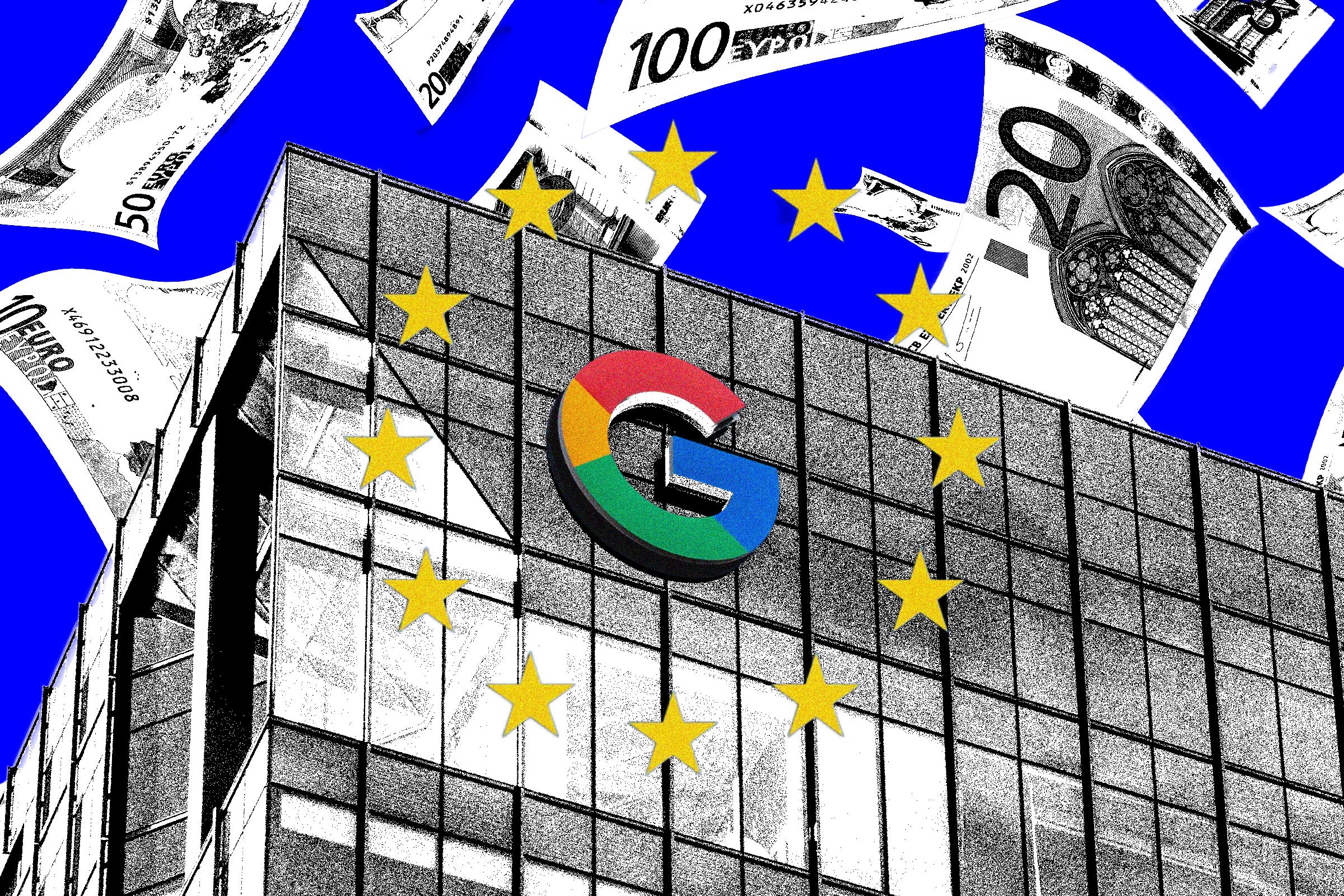
The European Commission claims that Google boosted its own apps and products to the top of search rankings to the detriment of its competitors.

With “blessings” from the original Jibo founders, iKairos is a wearable or desk-mounted “AI journal” that turns your family moments into AI images and video.